VR Headset design

Company

NFI & TU Delft

Role

Industrial Design MSc student

Year

2011

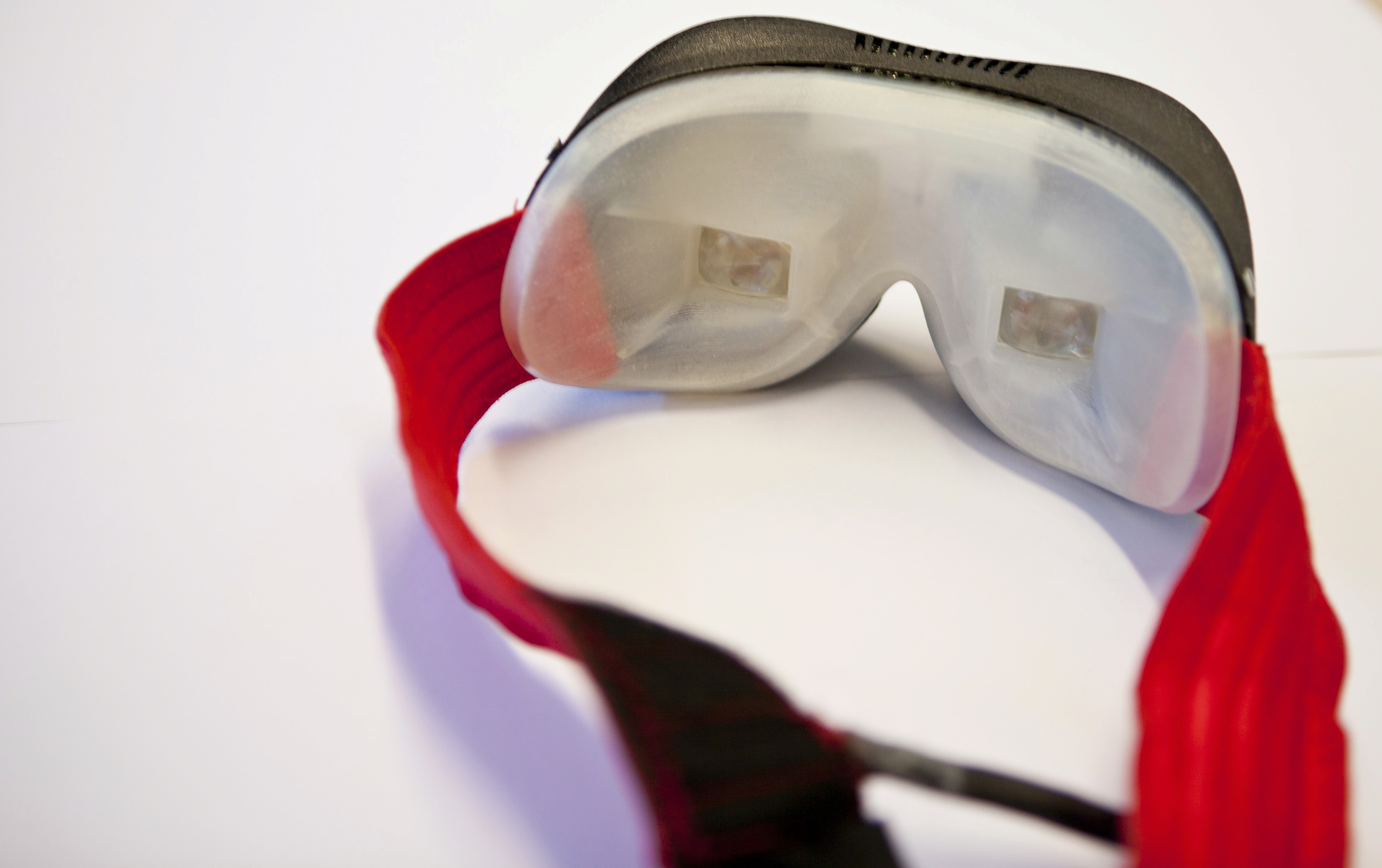
A research group at TU Delft was developing a head-mounted display for forensiccrime scene investigations, but the existing prototype was too heavy, uncomfortable, and had a limited field of view. Working in a team of four, I took ownership of the ambient lighting system, a capability I identified as an opportunity beyond the original brief, and contributed to the structural redesign that reduced weight and made the device user-adjustable. The result closely resembled what we now recognise as a VR headset, developed well before that category existed.

Context

A research group at TU Delft was developing a head-mounted display for use in forensic crime scene investigations by the Dutch National Forensics Institute. The device needed to support stereo vision cameras, be wearable for extended periods, and function reliably in demanding field conditions.

Challenge

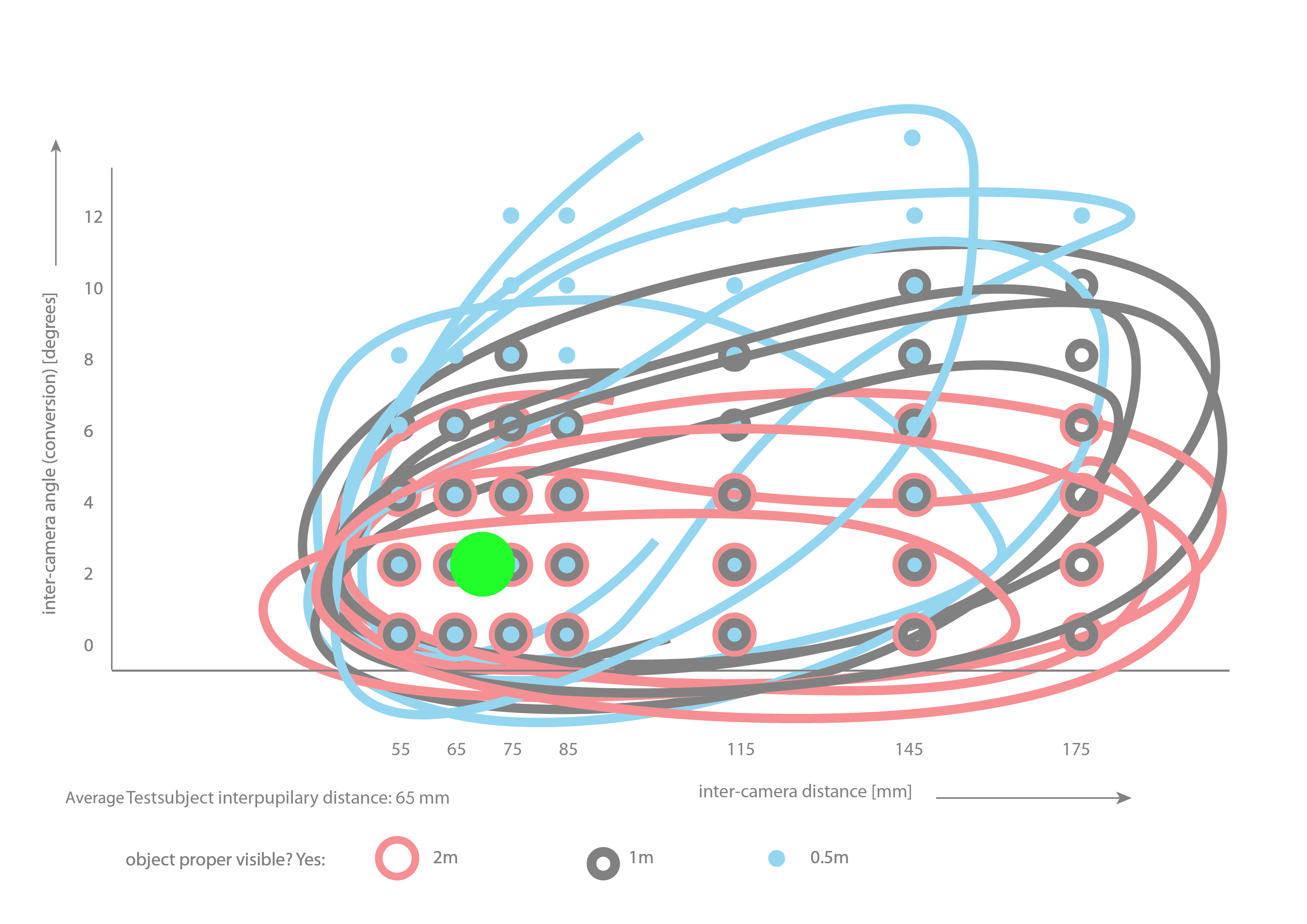
The existing prototype was too heavy, had a limited field of view, and caused significant discomfort during use. Multiple aspects needed to be improved simultaneously without compromising the core forensic functionality or adding cost and complexity.

Contribution

Working in a team of four, I identified an opportunity beyond the original brief and took ownership of developing it alongside contributing to the core redesign.

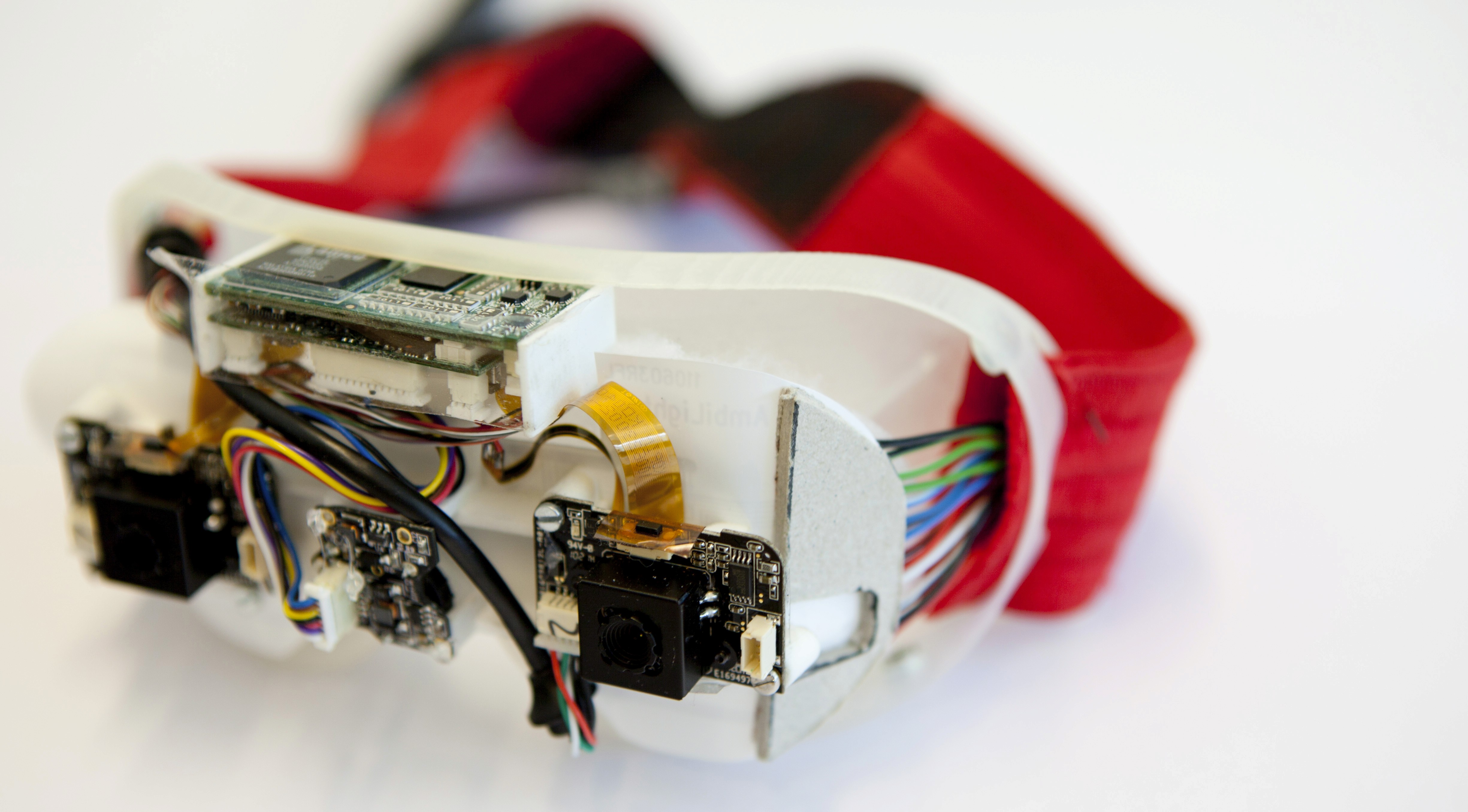
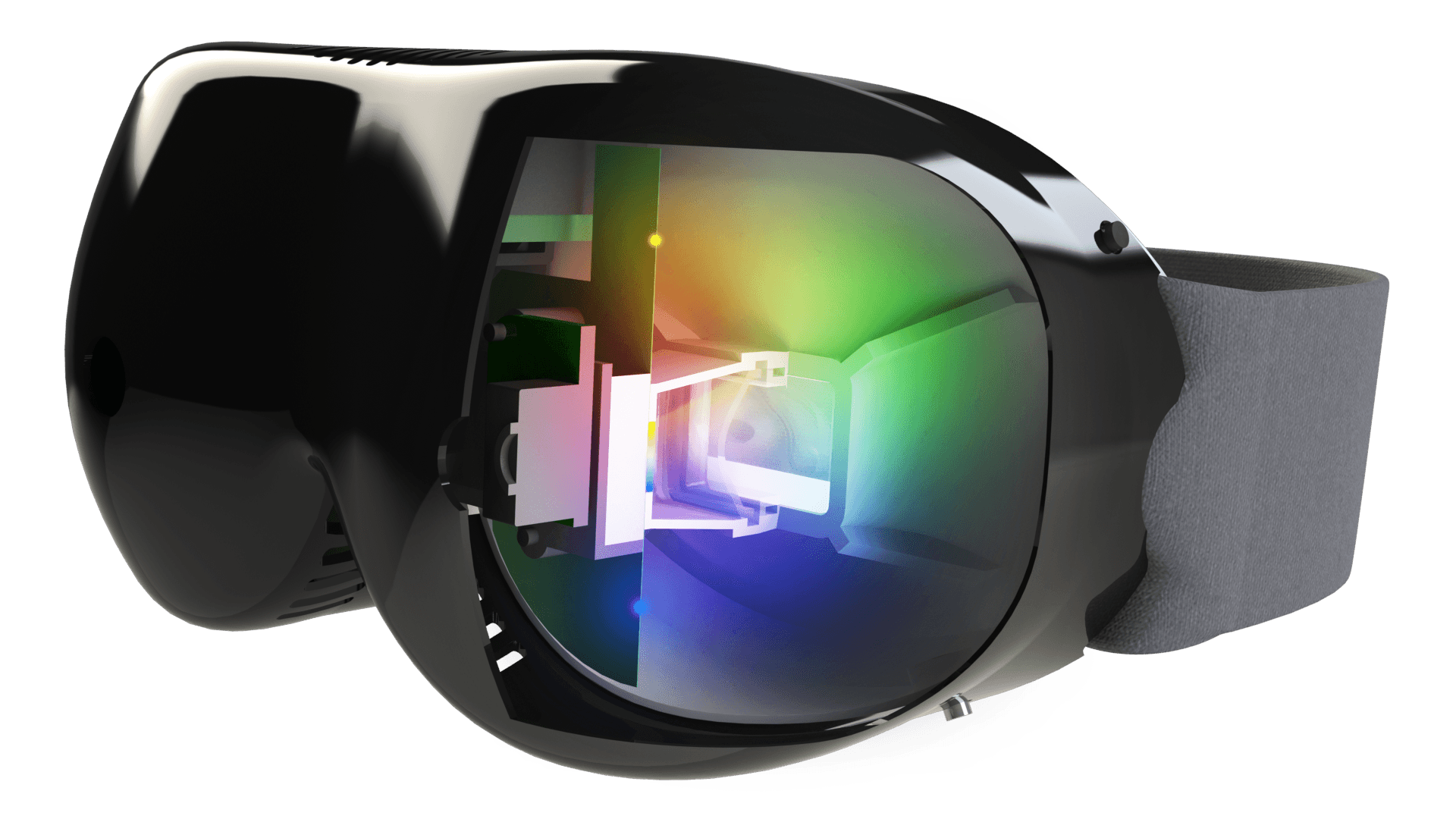
  • Designed and prototyped an ambient lighting system integrated into the HMD: a flexible PCB with RGB LEDs and adapted open-source software generating matching peripheral light from the live camera feed.

  • Contributed to consolidating the device's many separate components into a single 3D-printed structural part, reducing weight and making it user-adjustable.

  • Took the lighting system through multiple prototype iterations, building and testing each version directly.
Working in a team of four, I identified an opportunity beyond the original brief and took ownership of developing it alongside contributing to the core redesign.

  • Designed and prototyped an ambient lighting system integrated into the HMD: a flexible PCB with RGB LEDs and adapted open-source software generating matching peripheral light from the live camera feed.

  • Contributed to consolidating the device's many separate components into a single 3D-printed structural part, reducing weight and making it user-adjustable.

  • Took the lighting system through multiple prototype iterations, building and testing each version directly.
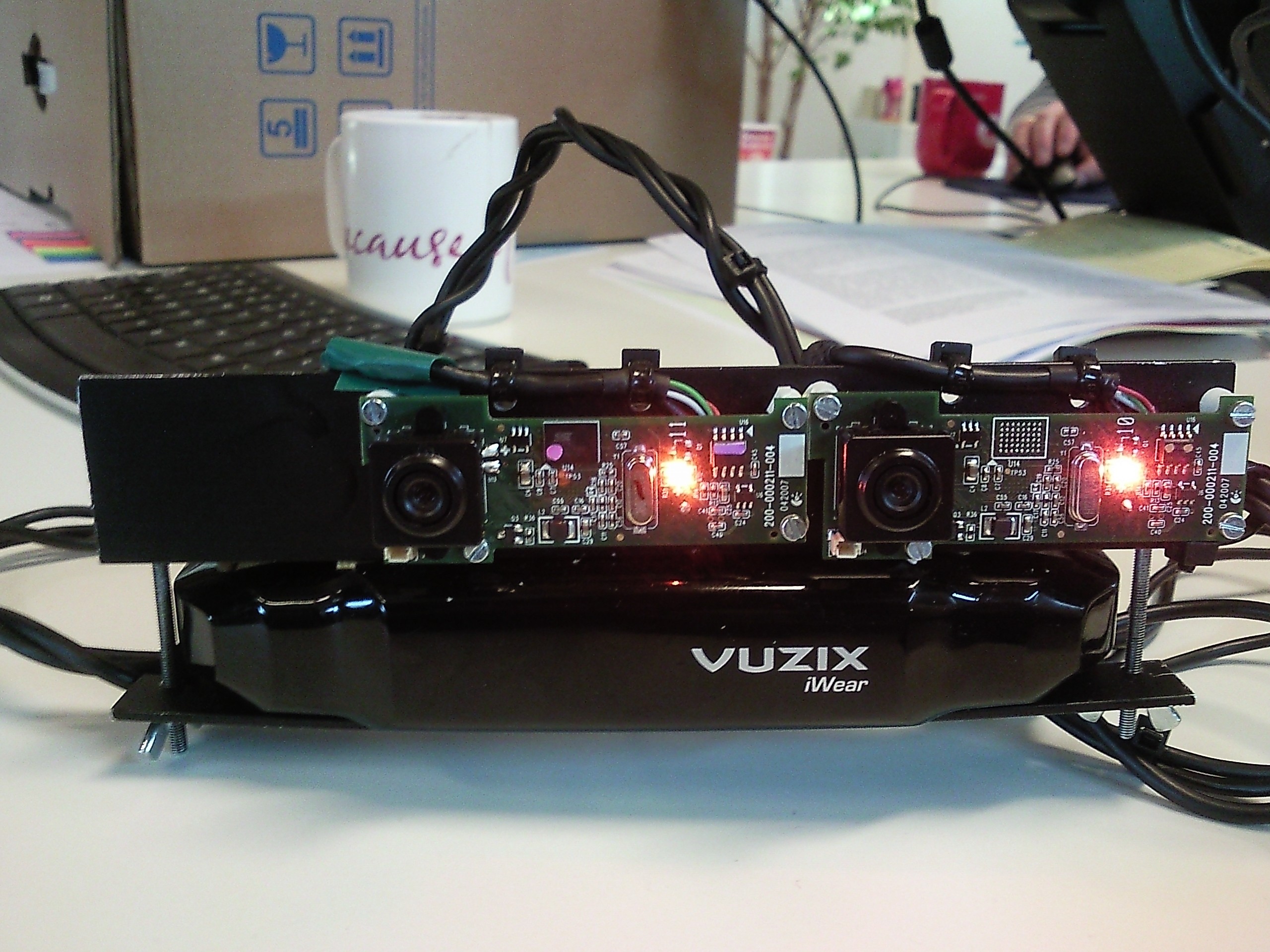
Working in a team of four, I identified an opportunity beyond the original brief and took ownership of developing it alongside contributing to the core redesign.

  • Designed and prototyped an ambient lighting system integrated into the HMD: a flexible PCB with RGB LEDs and adapted open-source software generating matching peripheral light from the live camera feed.

  • Contributed to consolidating the device's many separate components into a single 3D-printed structural part, reducing weight and making it user-adjustable.

  • Took the lighting system through multiple prototype iterations, building and testing each version directly.
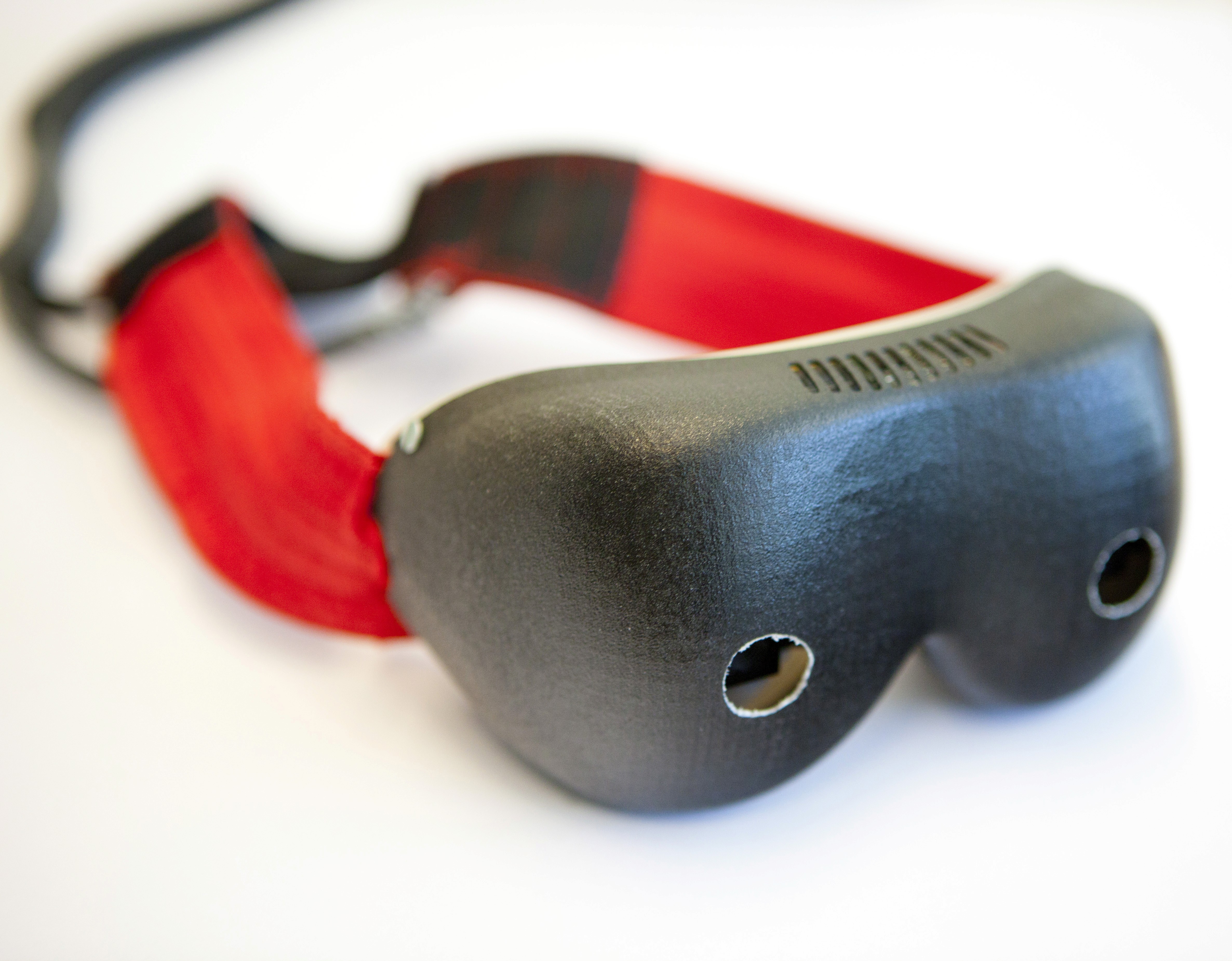
Outcome

A redesigned HMD prototype meeting the improved ergonomic and functional requirements of the forensics brief, resembling what is now recognised as a consumer VR headset, developed several years before that product category existed.