Peanut - Air purifier

Company

Philips & TU Delft

Role

Industrial Design MSc student

Year

2010

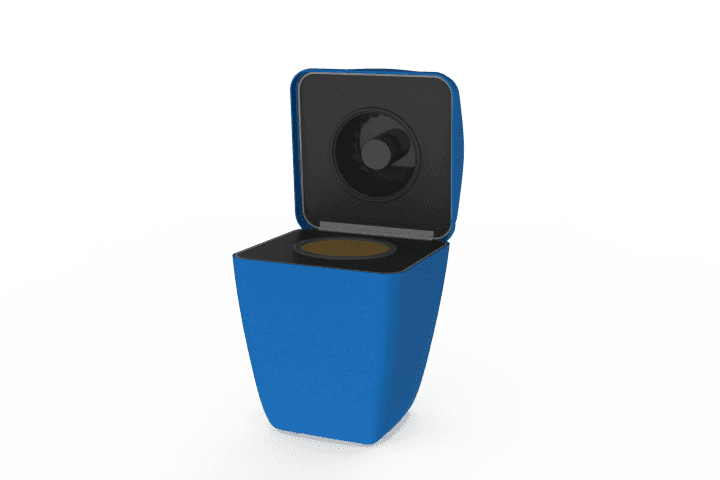
Philips needed a new air purifier concept for the urban Chinese market that could be produced and sold at significantly lower cost than their existing range. I approached the brief as a design problem rather than a subtraction exercise, questioning each component from first principles to understand where cost was coming from and whether it was justified. The result was a concept that reduced cost substantially while delivering a user experience that required no instruction to operate, validated through user testing.

Context

Philips was developing air purifier concepts for the urban Chinese consumer market, where air quality was a growing concern but the existing Philips product range was priced beyond the reach of the target demographic.

Challenge

Reducing cost radically while maintaining meaningful performance required rethinking the most expensive components from first principles rather than simply stripping features from an existing product. The target user also needed a device that was simple and intuitive to operate without instruction.

Contribution

I approached the cost reduction brief as a design problem, questioning each component to understand where cost was coming from and whether it was justified.

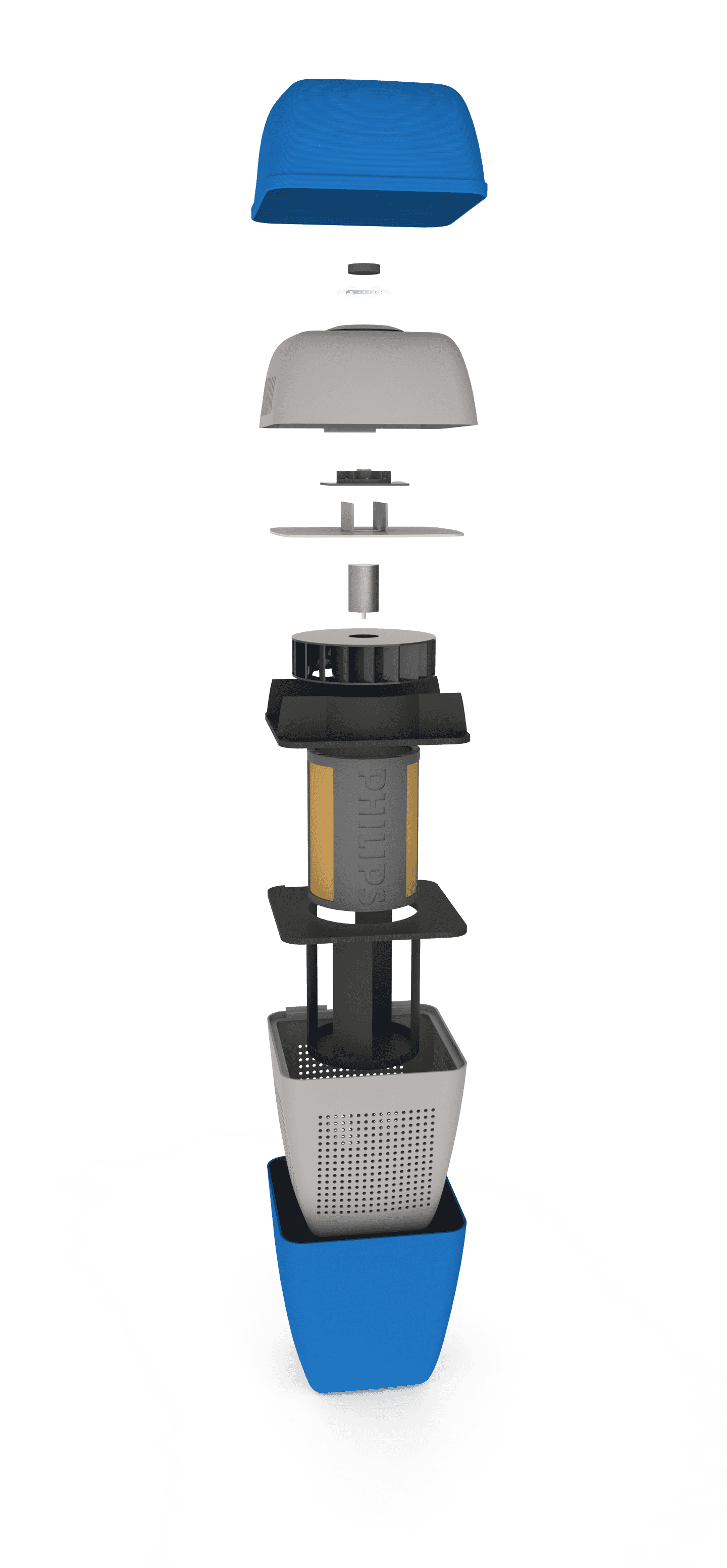
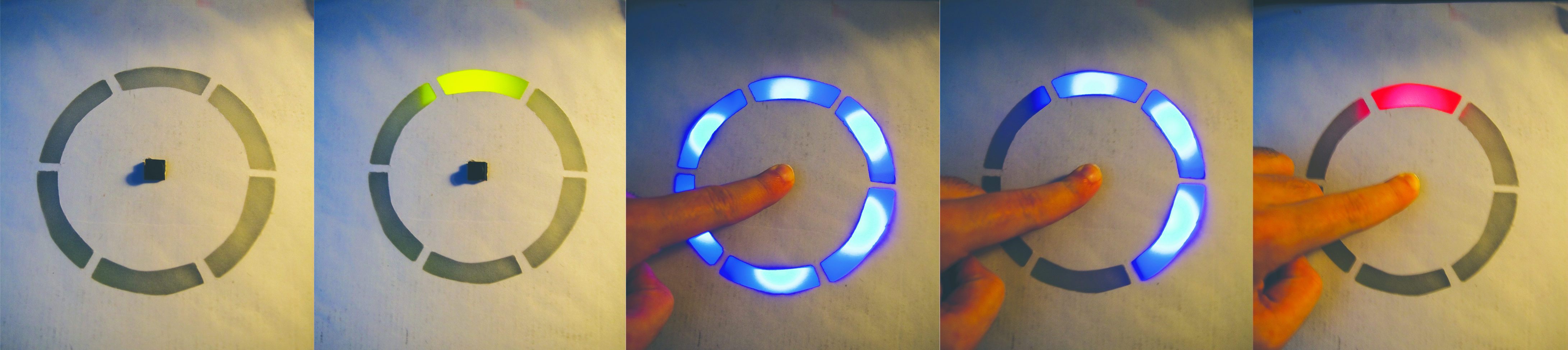
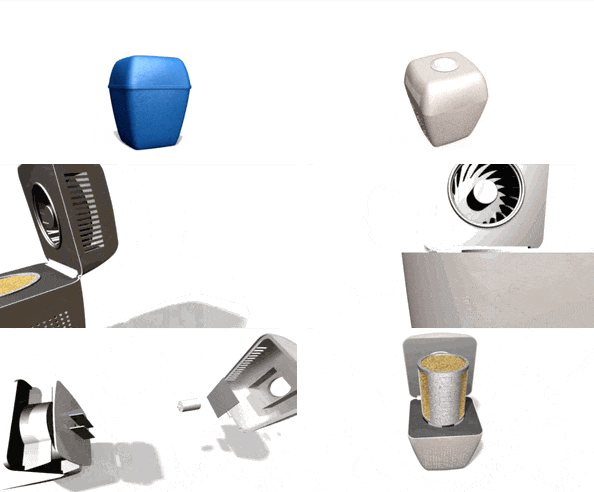
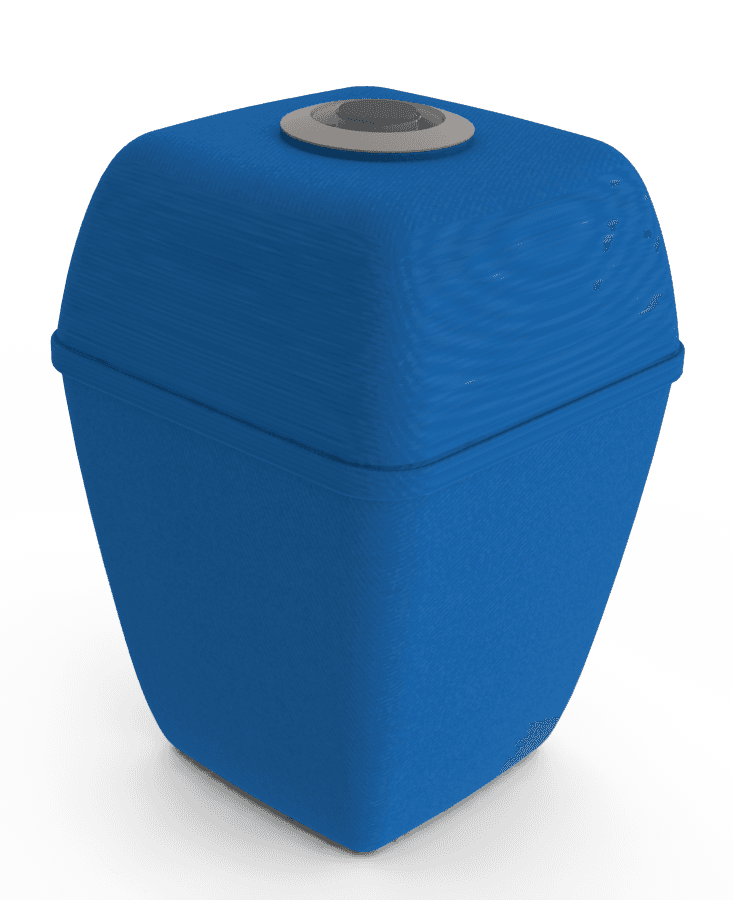
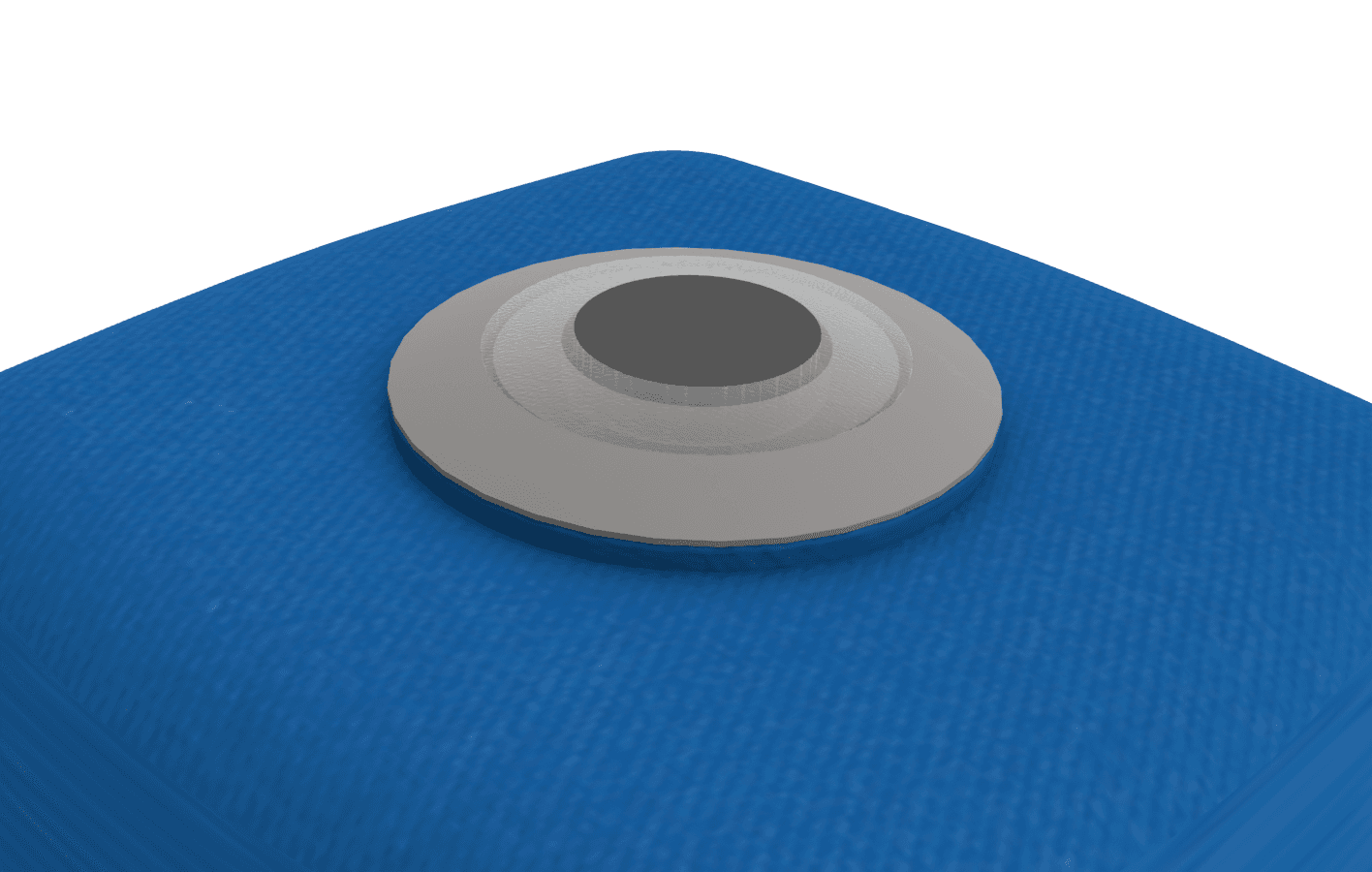
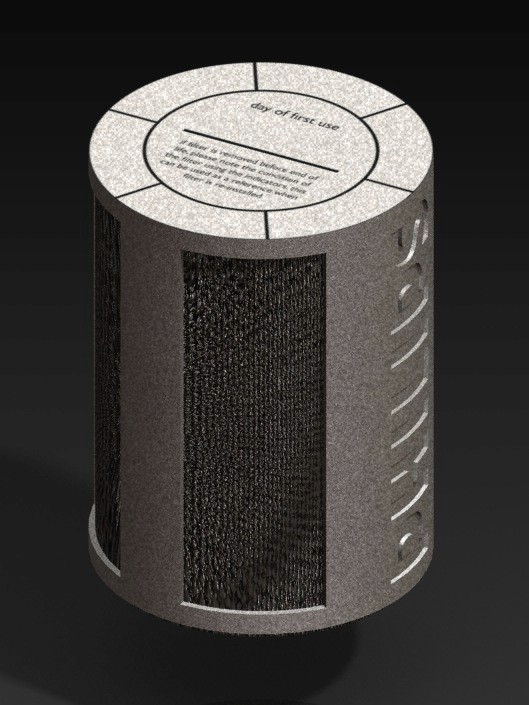
  • Replaced complex sensors and interfaces with a single push-button and six LEDs, added a washable pre-filter to extend filter life, and sized the unit for room-level use, reducing the required filter size and running costs.

  • Built three 1:2 scale mock-ups to evaluate design directions, selected the most promising, and prototyped the interface in Arduino to test with real users.

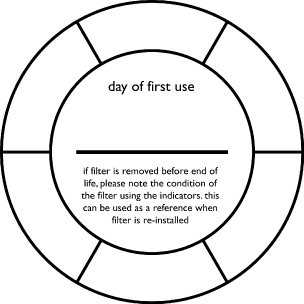
  • Proposed a filter return scheme via postal service, allowing users to receive a discount on replacements and reducing waste.
I approached the cost reduction brief as a design problem, questioning each component to understand where cost was coming from and whether it was justified.

  • Replaced complex sensors and interfaces with a single push-button and six LEDs, added a washable pre-filter to extend filter life, and sized the unit for room-level use, reducing the required filter size and running costs.

  • Built three 1:2 scale mock-ups to evaluate design directions, selected the most promising, and prototyped the interface in Arduino to test with real users.

  • Proposed a filter return scheme via postal service, allowing users to receive a discount on replacements and reducing waste.
I approached the cost reduction brief as a design problem, questioning each component to understand where cost was coming from and whether it was justified.

  • Replaced complex sensors and interfaces with a single push-button and six LEDs, added a washable pre-filter to extend filter life, and sized the unit for room-level use, reducing the required filter size and running costs.

  • Built three 1:2 scale mock-ups to evaluate design directions, selected the most promising, and prototyped the interface in Arduino to test with real users.

  • Proposed a filter return scheme via postal service, allowing users to receive a discount on replacements and reducing waste.
Outcome

A validated low-cost concept demonstrating that radical cost reduction is possible. User testing confirmed the interface could be operated correctly without any instruction.